“diseases and insects” search results (500)
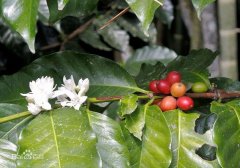
Nyeri Central Dashan area of Jiatugi processing Plant in Nyeri production area of Kenya
According to botanists in SL laboratory, SL28 and SL34 are genetic variants. Among them, SL28 has a mixed pedigree of French missionaries, mochas and Yemens Tibica. The goal of cultivating SL28 was to mass produce coffee beans with high quality and resistance to diseases and insect pests. Although the later production of SL28 was not as large as expected, copper leaves and broad bean-shaped beans were very popular.
2016-07-08 Kenya Nyeri producing area home Tuji Gatugi processing plant central
Arabica coffee accounts for about 65% and 80% of the world's coffee beans.
Arabica coffee accounts for about 65% and 80% of the world's coffee beans, and its excellent flavor and aroma make it the only coffee among these native species that can be drunk directly and alone. However, its resistance to drying, frost, diseases and insect pests is low, especially to the biggest natural enemy of coffee, leaf rust, so all producing countries are committed to improving varieties. For example, it is well known that
2016-06-01 All over the world coffee beans rabbis growers coffee about 65% 80% the whole world.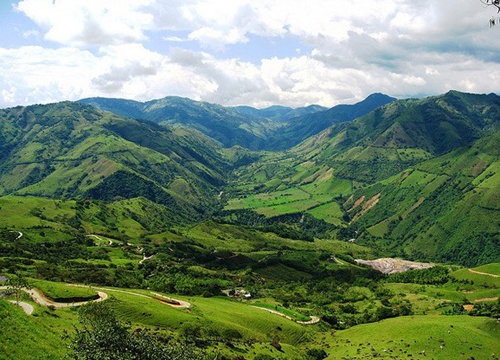
Columbia Coffee Coffee Manor Columbia Huilan Coffee Estate
Manor basic information origin: Colombia Huilan Lerusa Manor Tree species: old varieties Bobang 60%, Tibica 40% altitude: 1550 meters taste: sweet pulp, mellow, depth, excellent sense of balance the manor does not use a high-speed and convenient dryer, but uses the traditional SUN DRY drying method, acid and alcohol bitterness get the greatest concentration and sublimation. The highest grade in Huilan District, a famous place in Colombia.
2016-03-18 Colombia Coffee Manor Huilan Foundation Information Origin
Costa Rica urgently needs to stimulate the coffee industry
Due to the decline in coffee prices on the international market, Costa Rican coffee exports totaled US $306 million in 2015, down 26% from US $412 million in 2012, Costa Rica reported on May 12. In the first quarter of 2016, the average world price of coffee was $1.14 per liter, down 26 per cent from the same period in 2014. Affected by climate change and diseases and insect pests at the same time, the coffee growing area of Colombia
2016-08-25 Costa Rica in urgent need stimulation coffee farming national newspaper 5
Washing AA quality coffee beans from Jiatugi treatment plant in Nyeri production area of Kenya
According to botanists in SL laboratory, SL28 and SL34 are genetic variants. Among them, SL28 has a mixed pedigree of French missionaries, mochas and Yemens Tibica. The goal of cultivating SL28 was to mass produce coffee beans with high quality and resistance to diseases and insect pests. Although the later production of SL28 was not as large as expected, copper leaves and broad bean-shaped beans were very popular.
2016-05-10 Kenya Nyeri producing area home Tuji Gatugi treatment plant washing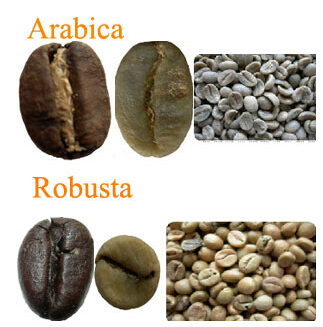
What's the difference between Arabica and Robusta Arabica coffee beans
In many places where coffee is sold, it is not difficult to find words like "100% Arabica". Even canned coffee appears in a style called "XX Arabica Coffee", which makes one wonder: what is "Arabica Coffee"? In fact, Arabica is the name of the coffee tree variety (species). "Coffea Arabica" and "Robbs"
2016-03-22 Rabbi Robbins Booth Coffee beans what different many sales Coffee Land
Yemeni farmers abandon coffee, Omar coffee story, coffee bean price
Experts point out that if the trend of farmers abandoning coffee and planting Carter grass is not improved, Yemeni coffee will have no tomorrow. Experts concluded that the reasons for the disadvantages of coffee crops are as follows: drought and water shortage, lack of advanced irrigation systems, increased planting costs, serious diseases and insect pests, cheaper imported coffee and better profits than coffee. It seems that the problem is very complicated. It may be difficult to increase coffee production in Yemen in a short period of time.
2016-04-20 Yemen farmers abandoned seeds coffee European code stories coffee beans prices experts point out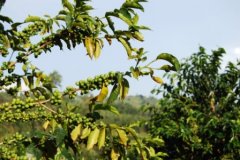
Costa Rica stimulates the main force of the coffee market
Due to the decline in coffee prices on the international market, Costa Rican coffee exports totaled US $306 million in 2015, down 26% from US $412 million in 2012, Costa Rica reported on May 12. In the first quarter of 2016, the average world price of coffee was $1.14 per liter, down 26 per cent from the same period in 2014. Affected by climate change and diseases and insect pests at the same time, the coffee growing area of Colombia
2016-05-25 Costa Rica stimulation coffee market main force national newspaper May
History of coffee development in Tanzania the origin of coffee in Tanzania
Sonia Chag AA Coffee (Chagga AA) is famous for its full-grained and fragrant quality. Due to political instability and rampant diseases and insect pests, the coffee industry in Tanzania has been damaged, resulting in a decline in the overall level of coffee and instability in quality, which in turn lead to lower prices, which is usually the result of a further decline in the coffee industry. It's worth it.
2016-05-26 Tanzania Coffee Development History Origin Niya Chag Chagg
Introduction of Tanzanian boutique coffee characteristics of Tanzanian coffee quality of Tanzanian coffee
Due to political instability and rampant diseases and insect pests, the coffee industry in Tanzania has been damaged, leading to a decline in the overall level of coffee and instability in quality, which in turn lead to lower prices, which are usually the result of a further decline in the coffee industry. What's more, it is estimated that more than 12% of the Arabica coffee grown in northern Tanzania from 1969 to 1985 was smuggled.
2016-03-23 Tanzania boutique coffee introduction characteristics quality due to political situation no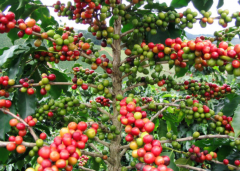
Tanzania Coffee Manor Coffee Bean Fine Coffee African Coffee
Due to political instability and rampant diseases and insect pests, the coffee industry in Tanzania has been damaged, resulting in a decline in the overall level of coffee and instability in quality, which in turn lead to lower prices, which is usually the result of a further decline in the coffee industry. What's more, it is estimated that more than 12% of the Arabica coffee grown in northern Tanzania from 1969 to 1985
2016-06-15 Tanzania coffee manor coffee beans boutique Africa flavor due to political situation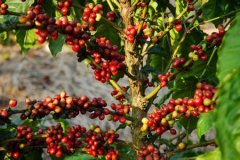
Two major coffee tree species
At present, the most important coffee trees in the world are Arabica and Robusta. These two kinds of coffee trees are the two original species of coffee trees, and the quality of coffee beans produced by these two kinds of coffee trees is also better than that of other coffee trees.
2014-06-09 Coffee knowledge Coffee Tree Coffee Encyclopedia
Boutique Coffee Costa Rica urgently needs to stimulate the coffee industry
Due to the decline in coffee prices on the international market, Costa Rican coffee exports totaled US $306 million in 2015, down 26% from US $412 million in 2012, Costa Rica reported on May 12. In the first quarter of 2016, the average world price of coffee was $1.14 per liter, down 26 per cent from the same period in 2014. Affected by climate change and diseases and insect pests at the same time, the coffee growing area of Colombia
2016-05-18 Boutique Coffee Costa Rica badly needed stimulation farming Nation
Low carbon is an attitude, the wonderful use of discarded coffee grounds!
The main uses of coffee grounds are as follows: 1. Coffee grounds, plant nutrients. Because coffee grounds contain nutrients needed for plant growth, coffee grounds are used as fertilizer around the roots of plants, which can not only nourish plants, but also prevent the occurrence of diseases and insect pests. two。 Coffee grounds can deodorize and deodorize. Coffee grounds have the ability to absorb odors. Coffee grounds can be put in small plates and placed in toilets and shoes.
2014-09-23 Coffee knowledge coffee utilization coffee residue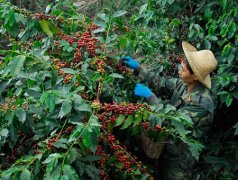
Yunnan boutique coffee single coffee Yunnan coffee cultivation
Tasting coffee beans must be excellent varieties, such as the original bourbon species, mocha species and Tippica species. The coffee beans produced by these trees have unique aroma and flavor, which are far from being compared with other tree species, but the relative yield is low. in recent years, in order to pursue the ability of disease and insect resistance and increase the yield, there have been many improved tree species, such as the high-yield rurial11 species in Kenya, but
2016-05-23 Yunnan boutique coffee individual products planting coffee beans must fine varieties such as
Arabica Coffee beans Coffee cultivation in China
Arabica coffee accounts for 70% of all coffee production, and its excellent flavor and aroma make it a direct drinkable coffee with only eight Arabica beans (8). But its resistance to dryness, frost, diseases and insect pests is too low, especially the natural enemy of coffee-leaf rust, so all producing countries are committed to
2016-06-04 Rabbi coffee beans China coffee planting situation all output rabbi
Robusta's secret.
[guide] "Robusta" coffee, commonly known as "thick beans", can be grown at low elevations (200 to 800 meters above sea level), has strong resistance to diseases and insect pests, is not vulnerable to agricultural pests, has a high annual output per unit area, and is harvested in large quantities by machine. in general, the cost of production is much lower than that of Arabica. "Robusta" coffee is commonly known as "stout beans", at low elevations (200 above sea level)
2015-11-13 Rob Booth unknown secret.
Robusta's secret.
[guide] "Robusta" coffee, commonly known as "thick beans", can be grown at low elevations (200 to 800 meters above sea level), has strong resistance to diseases and insect pests, is not vulnerable to agricultural pests, has a high annual output per unit area, and is harvested in large quantities by machine. in general, the cost of production is much lower than that of Arabica. "Robusta" coffee is commonly known as "stout beans", at low elevations (200 above sea level)
2015-11-13 Rob Booth unknown secret.
Robusta's secret.
[guide] "Robusta" coffee, commonly known as "thick beans", can be grown at low elevations (200 to 800 meters above sea level), has strong resistance to diseases and insect pests, is not vulnerable to agricultural pests, has a high annual output per unit area, and is harvested in large quantities by machine. in general, the cost of production is much lower than that of Arabica. "Robusta" coffee is commonly known as "stout beans", at low elevations (200 above sea level)
2015-11-13 Rob Booth unknown secret.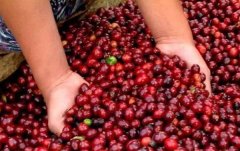
Colombia boutique coffee estate introduces Colombia Huilan Lerusa Coffee Manor Colombia
Manor basic information origin: Colombia Huilan Lerusa Manor Tree species: old varieties Bobang 60%, Tibica 40% altitude: 1550 meters taste: sweet pulp, mellow, depth, excellent sense of balance the manor does not use a high-speed and convenient dryer, but uses the traditional SUN DRY drying method, acid and alcohol bitterness get the greatest concentration and sublimation. The highest grade in Huilan District, a famous place in Colombia.
2016-03-29 Colombia boutique coffee manor introduction Huilan Le Liu foundation letter